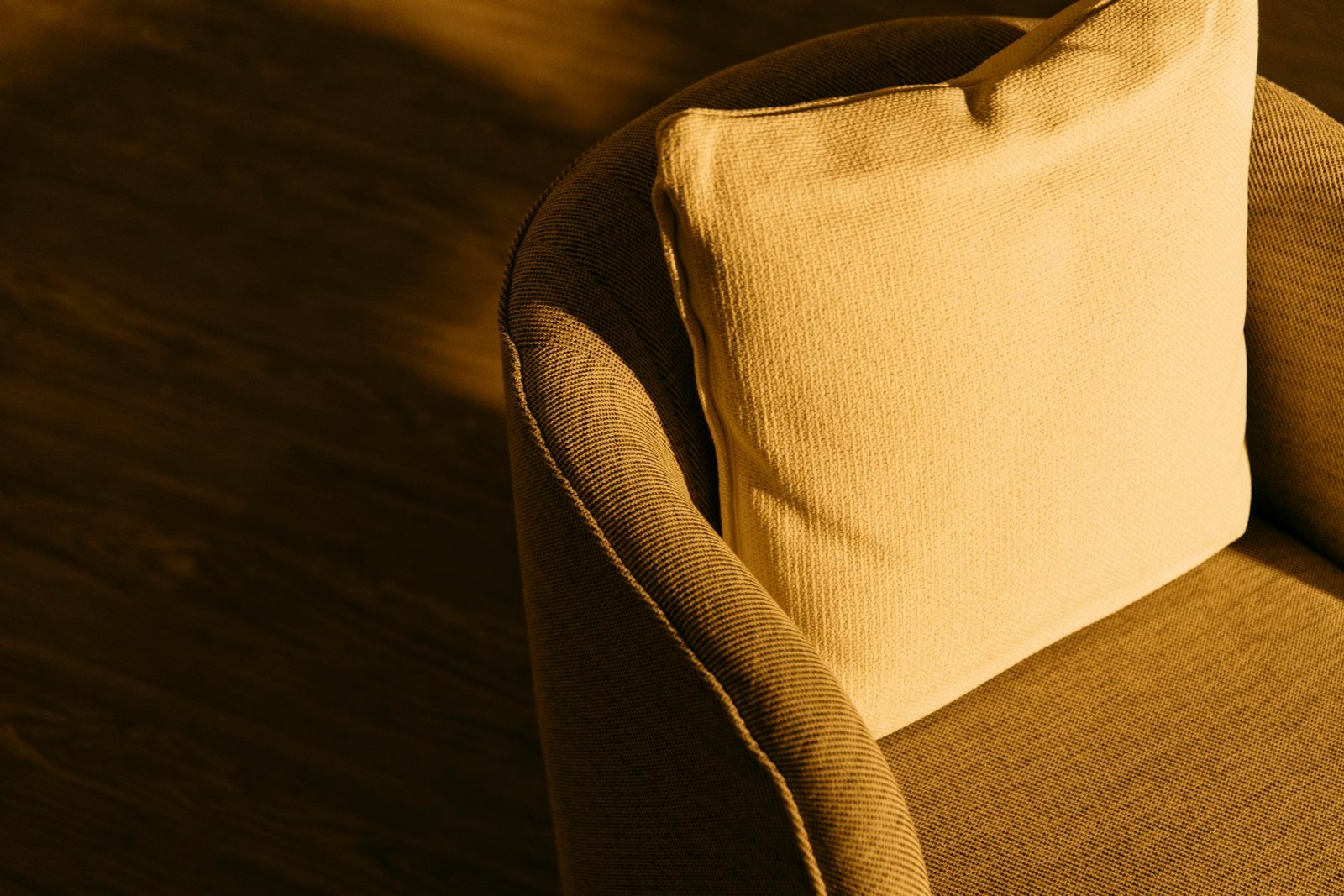
Think back to the last time you felt truly comfortable somewhere. Was it a sleek leather sofa — or was it buried under soft blankets in worn-in sweats on a cushy couch? Our bodies respond to touch before aesthetics. We crave softness, warmth, comfort.
While everyone else obsesses over paint colors and furniture silhouettes, there’s a quieter, more powerful layer: fabric and texture. This isn’t about tossing on a few throw pillows — it’s about using textiles as the main tool for building atmosphere and creating a genuine sensory sanctuary. It’s the difference between a home that photographs well and one that’s actually huggable.
Texture Communicates Emotion
Before getting into fibers, it helps to understand what different textures actually communicate.
- Soft, fluffy, knitted (chenille, faux fur, bouclé): signals safety and rest, and genuinely helps you relax.
- Crisp, cool, smooth (linen, high-thread-count cotton): signals clean, calm, orderly — breathable and serene.
- Nubby, rough, natural (burlap, heavy wool, jute): signals grounded and authentic, connecting a space to something more earthy and enduring.
- Luxurious and draping (velvet, silk, quality leather): signals warmth and sophistication, absorbing light and inviting you to sink in.
- Shiny and sleek (patent leather, vinyl, satin): signals modern and energetic — striking in small doses, cold if overused.
A room built from only one or two of these textures tends to feel either flat or overwhelming. The real skill lies in combining contrasting textures to build a layered, emotionally balanced space.
Getting to Know Your Materials
Natural Fibers
- Cotton: versatile and reliable, crisp as percale sheets or soft as flannel, breathable and easy to care for.
- Linen: effortlessly textured, wrinkles beautifully, softens with every wash — brings a relaxed, organic elegance.
- Wool: an excellent natural insulator, warm in winter and cool in summer — think chunky throws or durable carpets.
- Silk: luxurious, strong for its weight, with a lovely drape — best used in small, impactful doses like a pillow or bed scarf.
- Leather and suede: leather develops a rich patina over time and stays durable; suede is immediately soft and inviting.
Natural Weaves
- Jute and sisal: tough, earthy, great underfoot in durable area rugs.
- Rattan and cane: woven fibers that add visual and tactile pattern — great for furniture, baskets, and light fixtures.
- Bouclé: a looped yarn that creates a soft, nubby, highly tactile fabric — a favorite for a reason.
Performance Fabrics
- Performance velvet: often a treated cotton-poly blend built to resist stains — great for families or high-traffic areas.
- Outdoor fabrics: fade-proof, water-resistant, and easy to clean — no longer just for the patio, they work well indoors too.
Rules for Mixing Textures Without Overdoing It
- Aim for at least three textures per vignette: a linen sofa, a chunky wool throw, and velvet pillows within arm’s reach, for example.
- Vary the scale: pair a large-scale texture (a cable-knit blanket) with something medium (ribbed velvet) and something fine (a smooth silk pillow) for real depth.
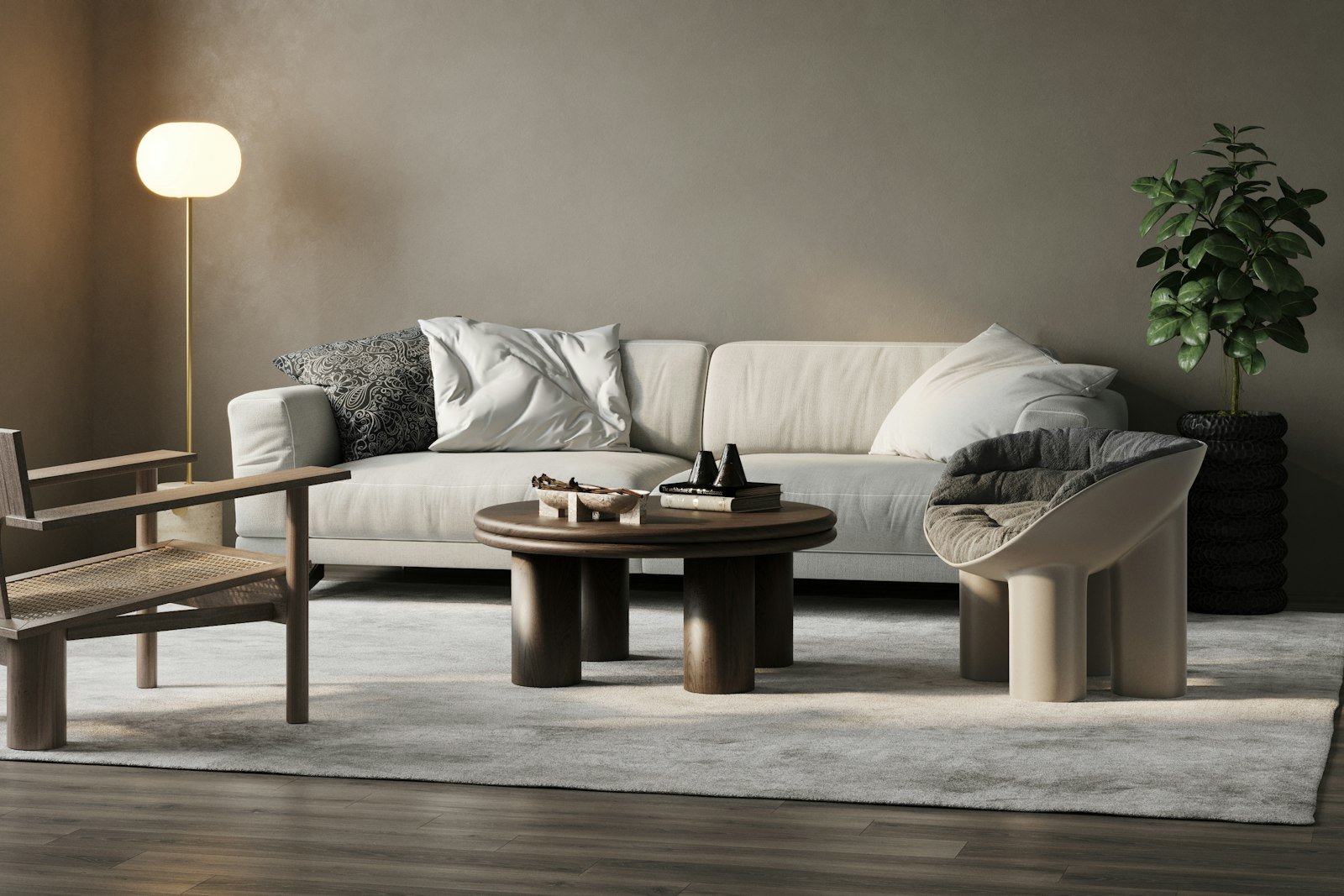
- Balance hard and soft: an all-hard room (wood, stone, metal) feels cold, while an all-soft room feels heavy and cluttered — pair a sleek leather chair with a sheepskin rug, or nubby pillows on a smooth sofa.
- Use texture to define zones: a plush rug marks a “soft zone” for seating; a flat-weave runner defines a hallway path — texture can shape a space without any walls.
- Pick one textural hero per room: a standout bouclé chair, a dramatic faux-fur throw, a striking woven wall hanging — then build everything else around it.
Room-by-Room Coziness
Living Room
- Choose a durable, comfortable sofa fabric — performance velvet, linen, or a wool blend.
- Layer up: a large area rug (jute for texture, wool for softness), a throw draped over the arm, and pillows mixing two in a hero texture with two smaller contrasting ones.
- Layer curtains — a sheer linen inner panel for soft light, a heavier textured drape outside for warmth and sound absorption.
Bedroom
- Sheets in crisp cotton or breathable linen.
- A fluffy down-alternative duvet insert.
- A textured top layer — a matelassé quilt, crisp cotton cover, or washed linen.
- Standard sleeping pillows plus decorative shams in a contrasting texture like velvet or silk.
- One beautiful throw at the foot of the bed, and a soft rug underfoot for stepping out in the morning.
Kitchen and Dining
- A woven rag rug by the sink, a simple linen roman shade, textured seat cushions on dining chairs.
- Let functional tools double as texture — wooden cutting boards, a ceramic utensil crock, a woven bread basket.
A Home That Actually Embraces You
Working with texture is about designing for your senses, not just your eyes — it’s what turns a house into something closer to a gentle, ongoing embrace, the reason guests linger and you exhale the moment you walk in.
Start with your favorite spot in the house. What are you actually touching there? Add one intentional textural layer this week — a throw, a pillow, a rug — and notice how the room softens.
Skip chasing a magazine look and focus on how the space actually feels. That’s where the real transformation happens.
Common Questions
I have kids or pets — can I still layer texture without it getting destroyed?
Performance fabrics have come a long way. Performance velvet and bouclé are now often stain-resistant and durable. Indoor/outdoor rugs made from polypropylene resist stains and fading and can even be hosed off, with textures that keep improving. Washable slipcovers, washable rugs, and washable throws are widely available now too — and leather wipes clean easily while aging gracefully.
Won’t lots of texture make a minimalist space feel busy?
Not if it’s done well — texture is actually essential to good minimalism, since without it a minimalist room can feel cold and sterile. The trick is restrained, monochromatic texture: a white linen sofa, a creamy bouclé pillow, an off-white wool throw, a jute rug — all within a tight color palette, giving visual interest without clutter.
How do I keep all these different textiles clean?
Always check the care label first. Vacuum upholstery and rugs regularly with the right attachment, rotate cushions and rugs for even wear, treat stains right away with the correct type of cleaner, and consider professional cleaning every year or two for larger pieces — always consult a specialist for delicate items like antique rugs or silk.
What’s the most common mistake people make with texture?
Using textures that are all the same weight — a shag rug, a fuzzy blanket, and a chenille pillow together will feel heavy and one-note. Contrast is what creates energy: pair that shag rug with a smooth leather chair and a crisp linen pillow.
What’s a small change that makes a big difference right away?
Swap out a thin, generic throw blanket for one with real tactile presence — a chunky hand-knit wool throw, a heavyweight cotton blanket, or a soft faux fur. Drape it over the sofa arm or the back of a chair. It’s a small change that adds visible coziness the moment you walk into the room.