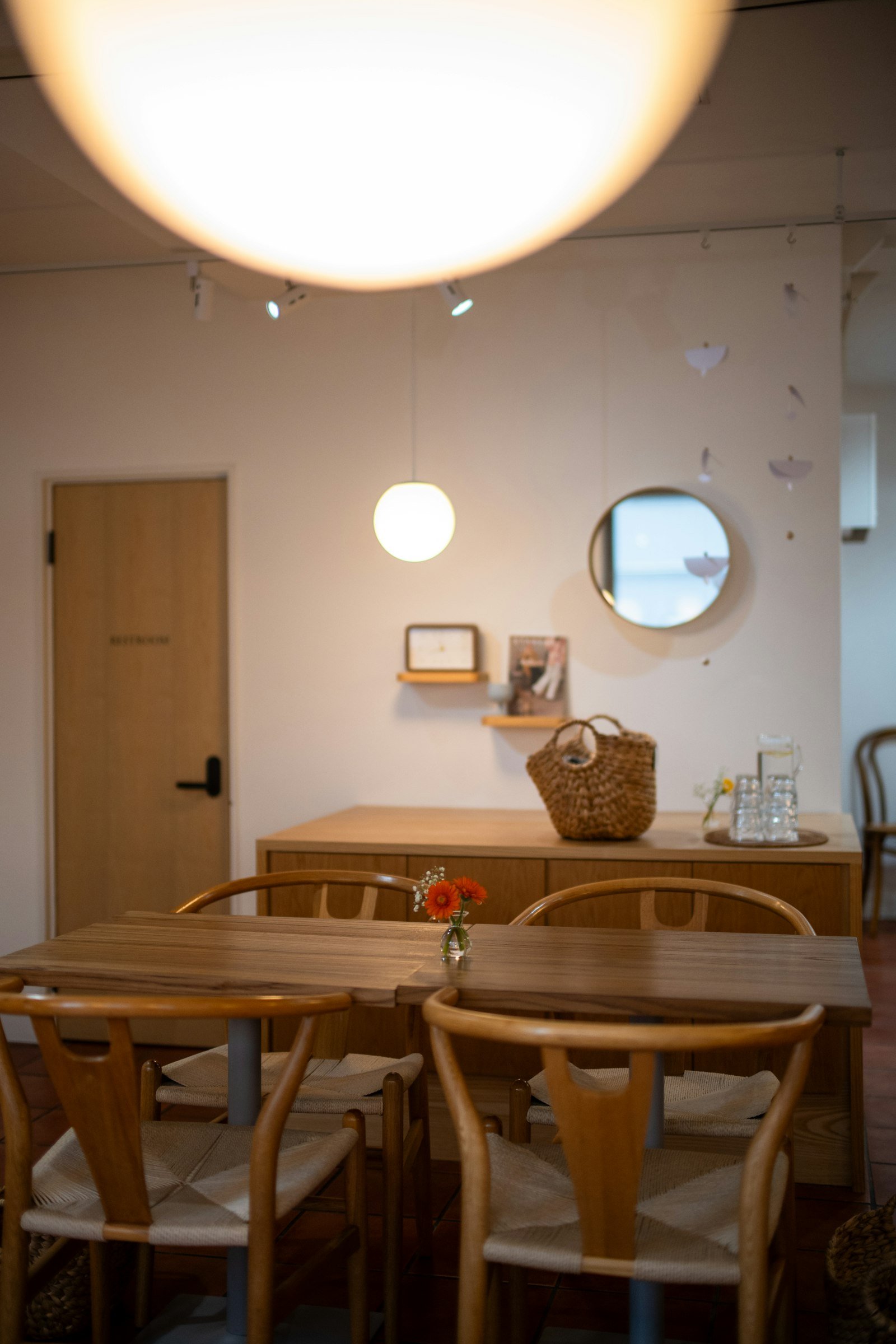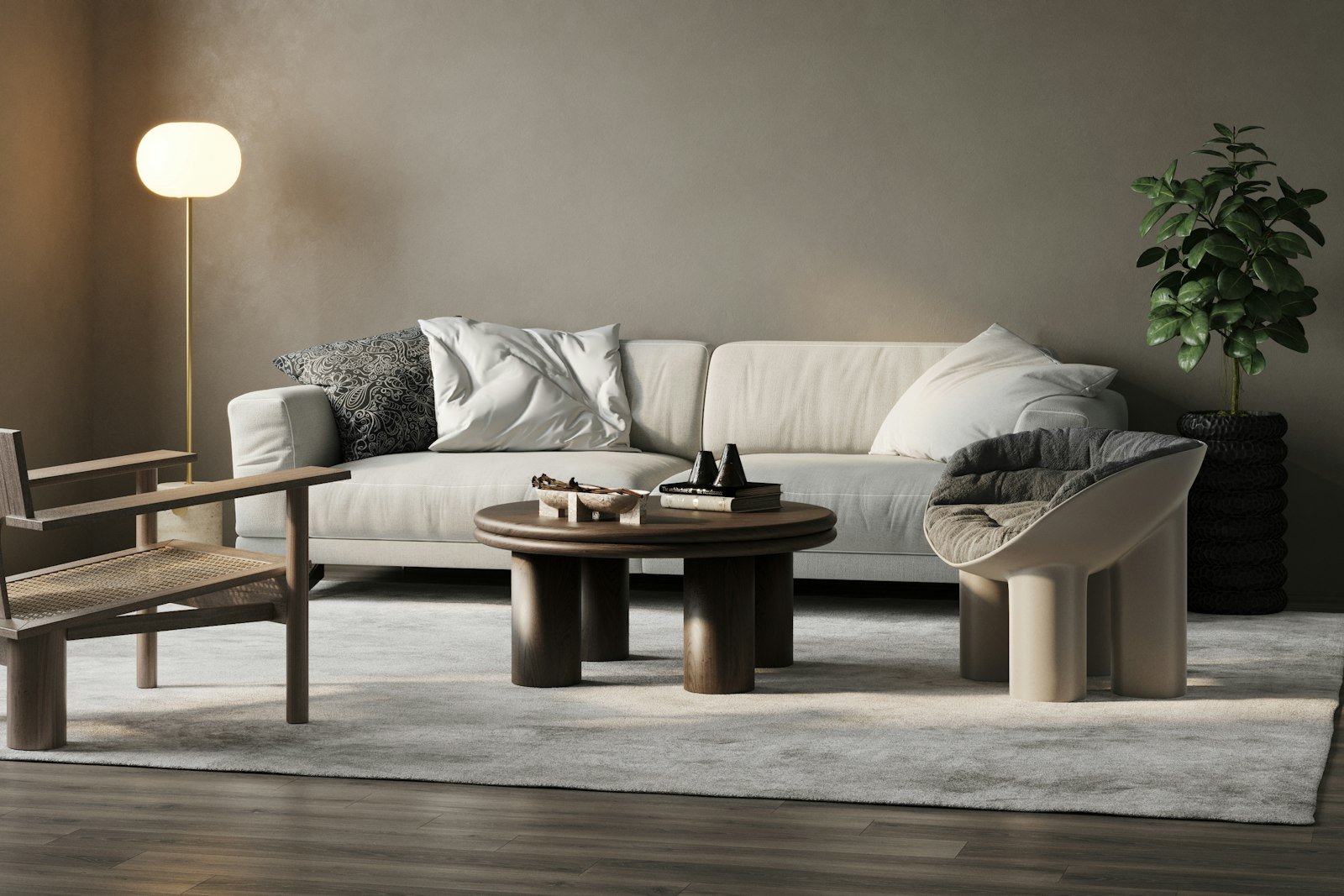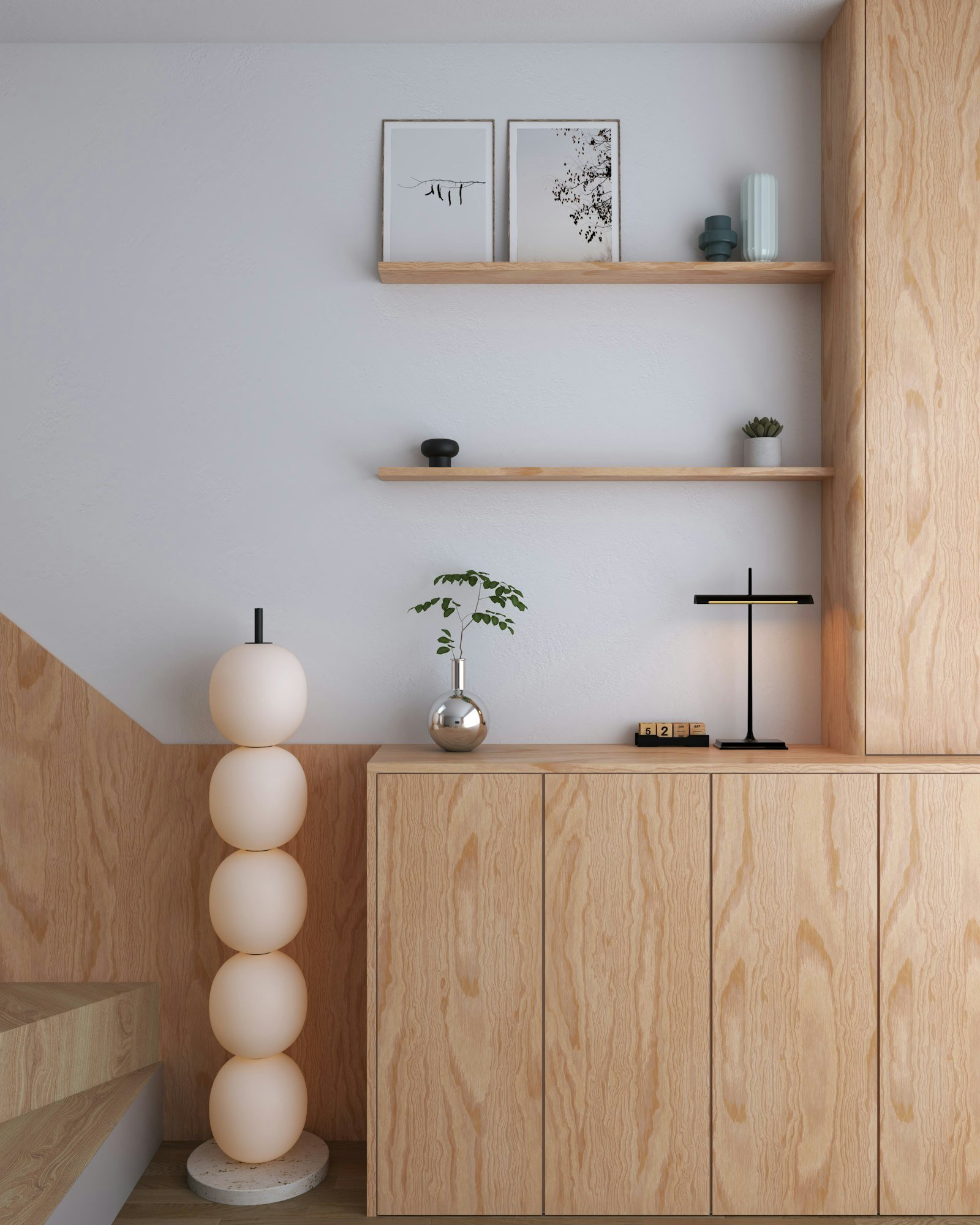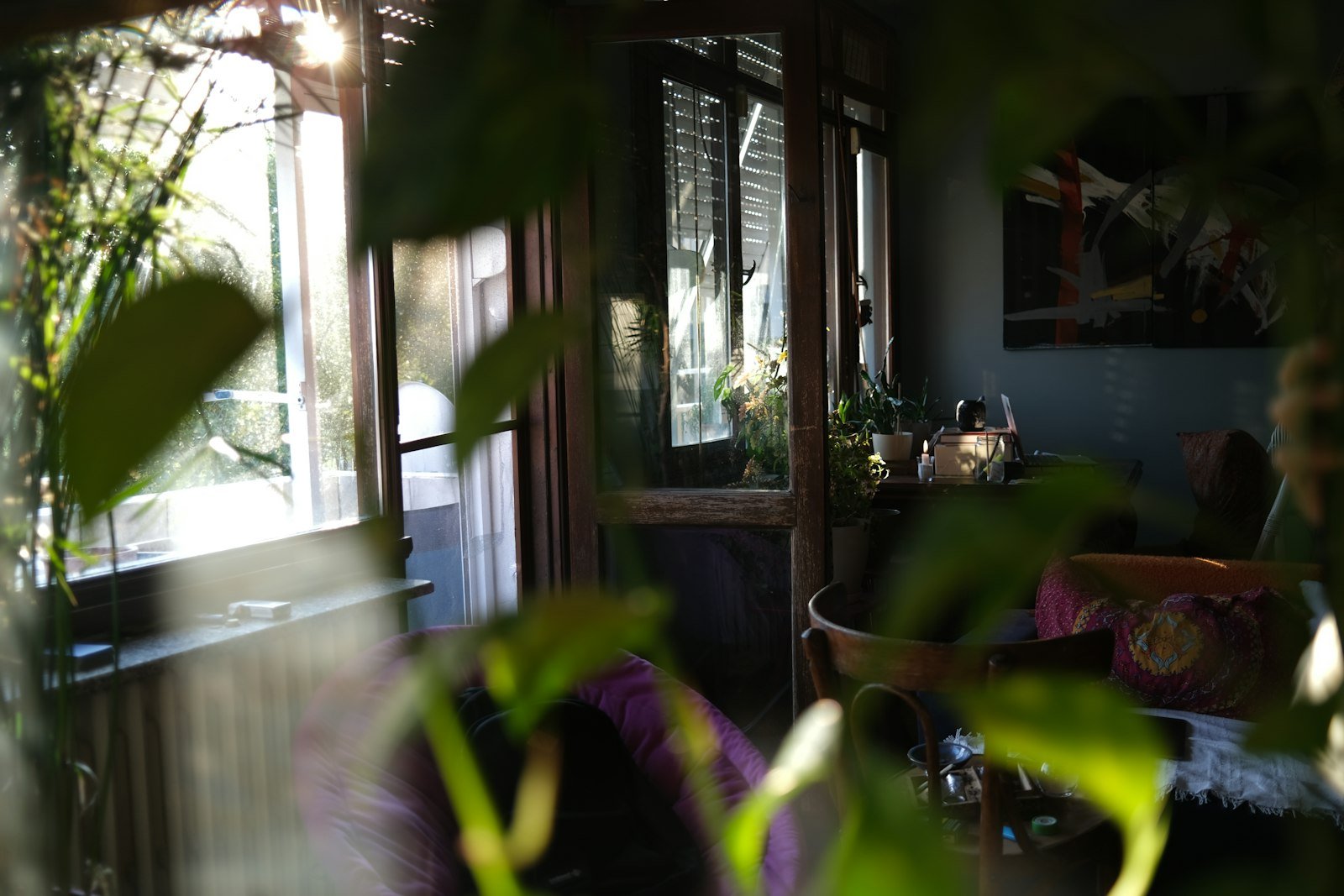
Confession: I’ve chased nearly every home trend going. The all-gray phase. The fiddle-leaf-fig-in-every-corner era. The rush to buy a scalloped side table simply because it was “in.” And each time, once the excitement faded, I was left with a strange emptiness. The room looked like a magazine spread, but it didn’t feel like my home — it felt like a very tasteful rental.
We’re living through constant aesthetic whiplash. Every season an algorithm hands us a new “core” — cottagecore, grandmillennial, coastal grandma — and the pressure to have a photogenic home has quietly overtaken the simpler need for a personal one. We’ve become skilled stylists and poor storytellers.
A soulful home works differently. It isn’t a look you can pin and save — it’s a feeling. It’s the quiet relief of walking through your own door. It’s a space that reflects your actual story back at you: the worn patina on a wooden table, the cracked spine of a favorite book, the splash of color from a painting bought on a trip you’ll never forget. Building a soulful home doesn’t mean rejecting beauty — it means redefining it, choosing meaning over matching. Here’s where to start.
Why a Beautiful Home Can Still Feel Hollow
A few common habits quietly lead us astray.
- Confusing styling with living: a perfectly fluffed pillow no one’s allowed to touch is styling. A blanket left crumpled from last night’s movie is living.
- Prioritizing visual cohesion over emotional resonance: everything might match your palette, but does any of it actually move you? That’s the more important question.
- Outsourcing taste to algorithms: seeing something repeated a thousand times can trick us into mistaking popularity for personal preference — but genuine taste doesn’t care what’s trending this week.
The result is something like “stylistic impersonation” — a home that’s a flawless copy of a look, with no real voice of its own. A soulful home is the antidote: an original, not a copy.
Principles, Not a Shopping List
You can’t buy soulfulness outright — you build it through intention. A few guiding principles help.
Let Things Show Their Age
Soul resists the brand new — it builds up in layers, like rings on a tree. Look for pieces with real history.
- Heirlooms: a grandmother’s quilt, a child’s wobbly pottery, a vintage desk with ink stains.
- Worn and weathered pieces: a leather chair softened where people actually sit, oak floors dented from years of family dinners, a rug faded by years of sunlight.
- Visible repairs: the Japanese art of kintsugi — mending broken pottery with gold — treats breakage and repair as part of an object’s story rather than something to hide. A soulful home doesn’t disguise its scars; it sees them as part of the narrative.
Ask “Why” Before You Buy
Before something enters your home, hold it and ask two questions:
- Does it tell a story? Where did it come from? What memory does it hold?
- Does it evoke a genuine feeling? Calm, inspiration, joy, curiosity?
If the answer to both is no, it’s probably just filler — let it go. Every object should be an answer to something, not just decoration.
Design for All the Senses, Not Just the Eyes
- Touch: a mix of inviting textures — rough linen, smooth stone, nubby wool, warm wood — that make you want to reach out.
- Sound: rugs, curtains, and upholstery soften harsh noise; leave room for quiet rather than constant digital hum.
- Smell: the gentle scent of beeswax, coffee, a favorite candle, or dried lavender — smell is tied more directly to memory than any other sense.
- Sight: warm, gentle light and small moments of visual rest — a blank wall, an empty shelf — among your collections.
Let the Home Keep Evolving
A soulful home is never really “finished” — it’s a living record of your life that should change as you do.
- Leave room for new chapters and their artifacts.
- Let artwork rotate over time.
- Accept that today’s perfect room may need to shift for a new hobby, a pet, or simply a change of heart. That takes the pressure off — you’re tending a garden, not building a museum diorama.
Room by Room
Living Room: Built for Conversation, Not Photos
- Arrange for connection: chairs facing each other, coffee tables within easy reach, and the TV not automatically the centerpiece.
- Show life in progress: a stack of books you’re actually reading rather than ones arranged by color, last weekend’s board game left out, a chess set mid-game.
Kitchen: The Working Heart of the Home
- Let the working tools be beautiful and visible: a well-used wooden cutting board, a bowl of genuinely fresh fruit, favorite utensils hung within reach.
- Weave in your story: a mug from a favorite café, a recipe card in your mother’s handwriting, a pottery jug picked up abroad.
Bedroom: A True Sanctuary
- Invest in bedding that genuinely feels good to you — this is non-negotiable self-care, whatever fabric or feel that means for you.
- Keep work and demanding technology out — this room’s only job is rest.
- Choose art that’s personal, not just pretty — a meaningful photo, a calming abstract, a sentimental postcard.
Entryway: The First Sentence
- Set the mood immediately: a small piece of striking art, a pleasant scent, a textured rug underfoot — something that says “you’re home,” not just “wipe your feet.”
A Home Is a Portrait, Not a Product
A soulful home isn’t assembled in a weekend of shopping — it’s built over years of curiosity and courage, quieting the noise of trends to hear your own preferences. It means valuing the slightly odd and personally meaningful over the universally approved.
Start small: pick one shelf or corner, clear it entirely, and put back only what passes the two questions above. Notice how that space feels, physically and emotionally — that’s your blueprint.
Your home should be the most honest portrait of who you are, not who you’re told to be. Fill it with your stories, your senses, your actual life — that’s where the soul lives.
Common Questions
My partner or kids have different tastes — how do we do this together?
Treat it as a shared story rather than a compromise. Create a shared “inspiration shelf” where everyone adds objects, images, or swatches they love, then look for common threads — a love of nature, a shared memory, a texture everyone likes. Beyond that, give each person their own zone — a bookshelf, a desk, a wall — to express their own taste without critique. Shared spaces become a gallery of your combined lives.
I’m on a tight budget — isn’t this expensive?
Not at all. Soulfulness is often the opposite of expensive, trend-chasing consumption. The most meaningful items are frequently free or cheap: a found feather in a vase, a framed postcard, well-loved library books, a quilt stitched from old clothes, a cutting from a friend’s plant. Thrift stores, estate sales, and nature are excellent resources.
I love minimalism — can a minimalist home still be soulful?
Absolutely — the two aren’t opposites. Soulful minimalism isn’t about sterile emptiness; it’s a strict curation of only what’s meaningful. Every object in a soulful minimalist home would pass the “story or feeling” test, surrounded by enough space to actually appreciate each piece. It’s quality of meaning over quantity of objects.
What about practical storage — not everything can be meaningful art?
Soulfulness applies to your visible, everyday landscape, not the utility closet. Good storage matters — matching baskets, cabinets, or built-ins to contain the mundane (cleaning supplies, paperwork, toys), so meaningful objects stay the visual focus while necessary clutter has its own quiet backstage. A place for everything is itself a soulful, calming habit.
What’s one small step I can take today?
Do a quick “soul scan”: walk through your home with a notepad, and in each room, name one thing with a real story or feeling attached, and one thing that’s there purely because it was trendy or a guilt-driven gift. Notice the difference. Tomorrow, remove that one filler item — don’t replace it. That small edit is the seed of a more soulful home.