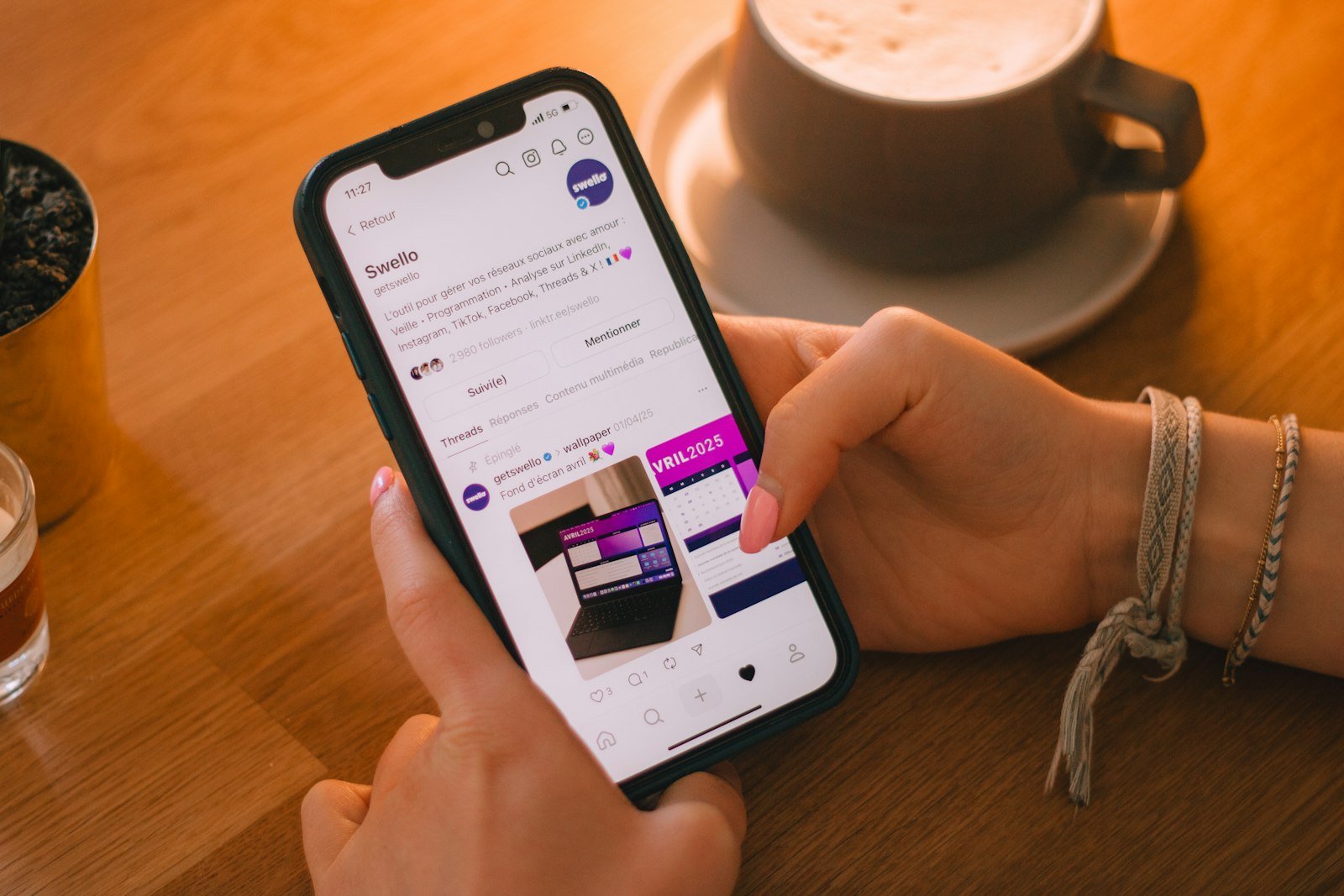
Try this: look around and count how many devices in your home connect to the internet. Phone, laptop, maybe a smart speaker blinking in the corner, a TV, a thermostat, a doorbell camera. The list gets longer — and a bit more unsettling — the further you look.
We’ve moved past simply using technology into living inside a network of it. Homes that were once our most private spaces are turning into dense webs of sensors, cameras, and microphones — marketed as “smart homes,” promising seamless convenience and futuristic comfort. But as we wire up our domestic lives and hand over the keys to our most intimate spaces, it’s worth asking: are we building a smarter home, or paying a subscription for a more comfortable version of surveillance?
This isn’t about rejecting technology outright — it’s about looking honestly at a trade-off most of us barely glance at during the unboxing excitement.
What Smart Homes Promise
- Effortless automation: say “goodnight” and lights dim, doors lock, and the thermostat adjusts itself — it genuinely feels futuristic.
- A sense of security: a video doorbell lets you check who’s there from anywhere, and leak sensors can catch a problem before it floods your home.
- Genuine convenience: a fridge that suggests recipes, a speaker that curates a playlist, a vacuum that cleans while you’re out.
Much of this is genuinely useful. But it’s worth pausing to ask who else effectively lives in the house alongside you.
The Less Visible Trade-Offs
Data Collection
Your smart TV logs what you watch and when. Your speaker is always listening for its wake word. Your thermostat knows when you’re home or asleep. Your robot vacuum has mapped your entire floor plan.
Individually these are just data points — combined, they form a remarkably detailed picture of your routines, habits, and even relationships. In these systems, the data itself is often the real product.
Ecosystem Lock-In
Buy a smart bulb from one brand, and it works best with that brand’s hub, then its plugs, then its cameras — before long you’ve invested significant money into a single ecosystem, and switching becomes a genuine hassle. You end up less an owner of your home and more a renter of a platform, subject to that company’s pricing changes and product decisions.
Where the Real Risks Live
Low-Grade, Constant Surveillance
Even if you never review the footage, cameras and microphones scattered through a home mean data is being processed somewhere, by someone. Over time, that can create a subtle sense of never quite being fully “off” or private in your own space.
New Hacking Vulnerabilities
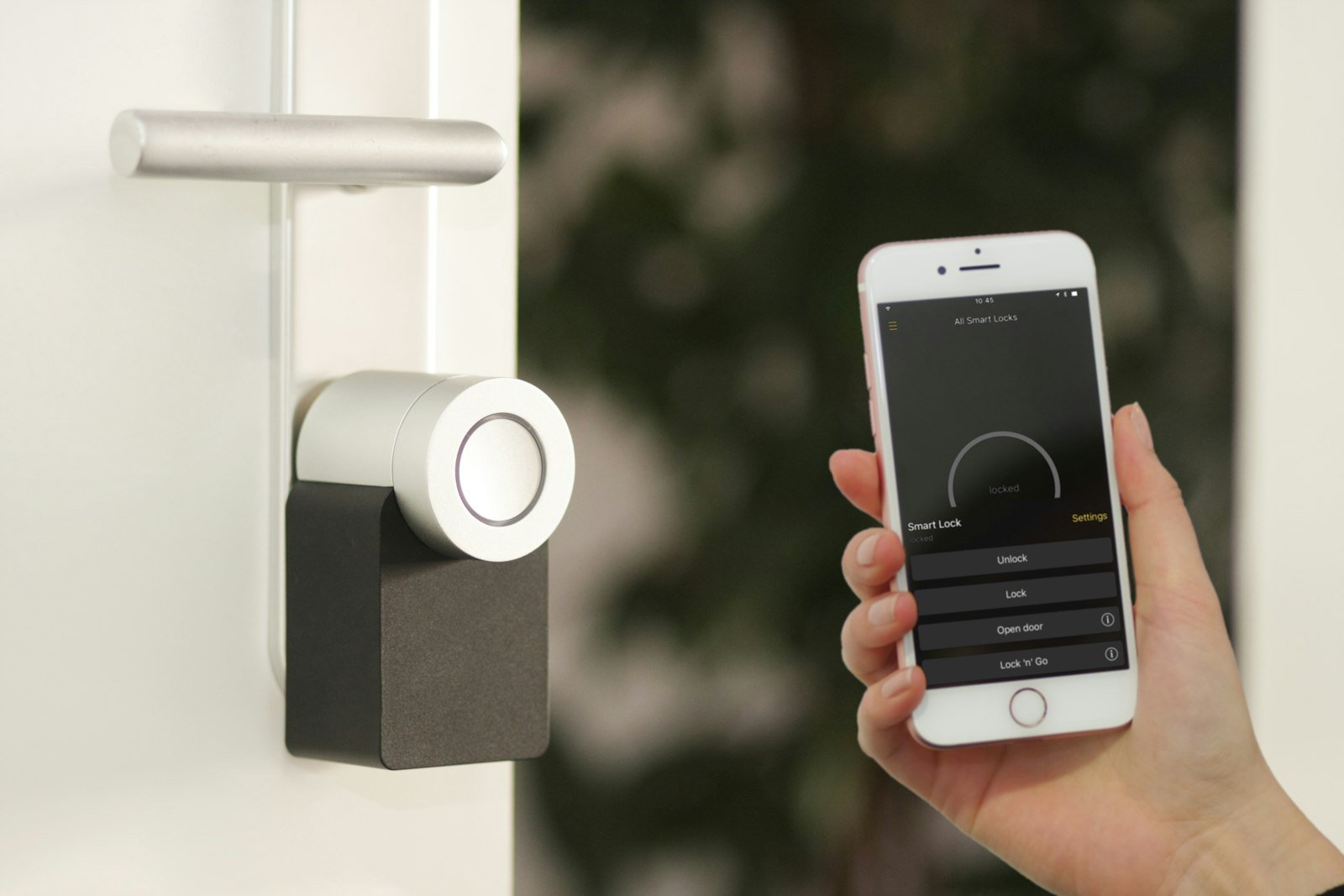
Every connected device is a potential entry point into your home network. Cheap, no-name smart cameras have been used as backdoors into networks containing sensitive information, and there have been documented cases of hackers taking over baby monitors or locking people out of their own thermostats. Digitizing a lock replaces a physical barrier with a software one — and software has bugs.
Dependence on the Cloud
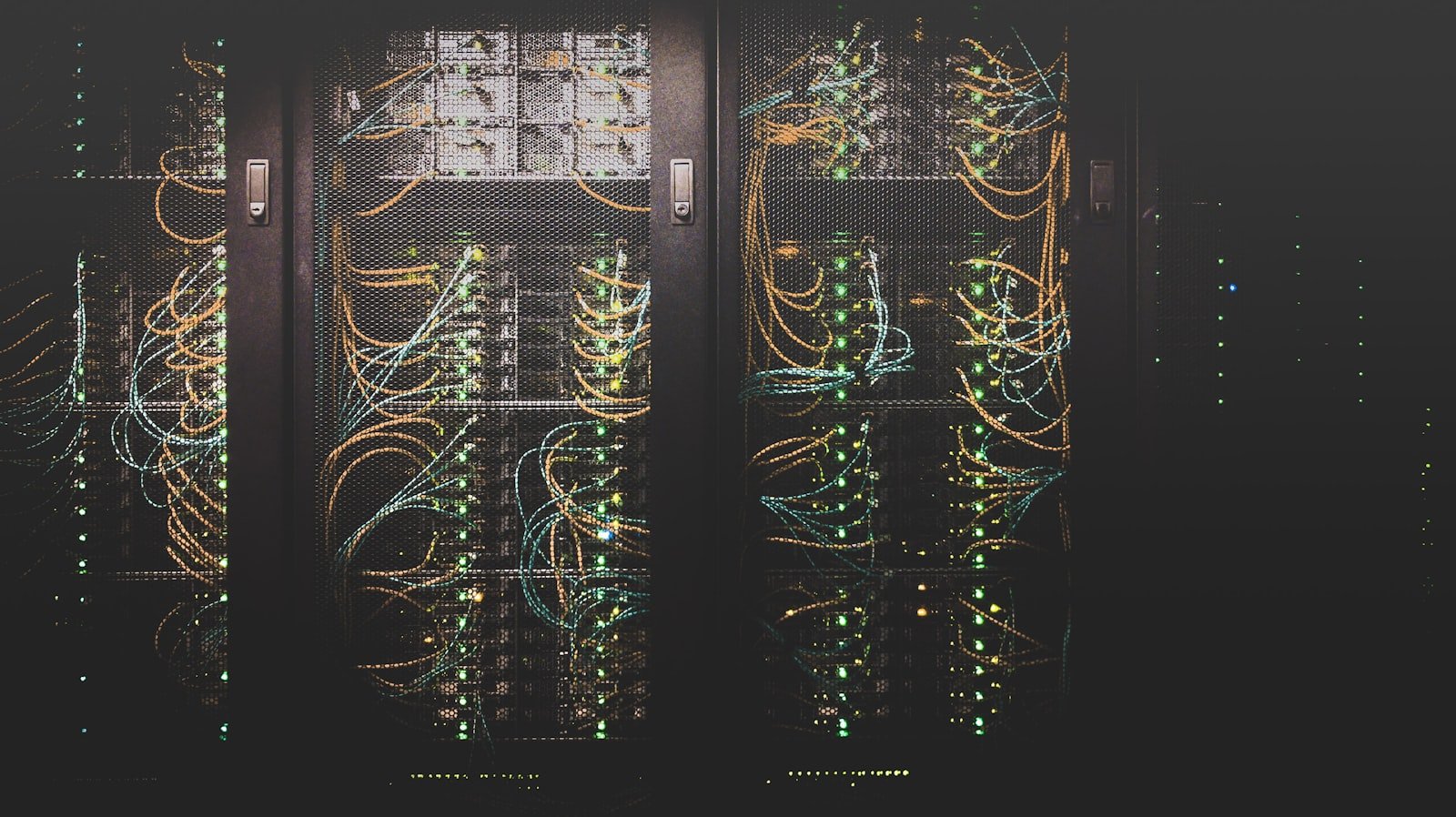
When the internet goes down in a fully connected home, that’s not a minor inconvenience — it can mean no lights, no heating control, and sometimes no way to unlock your own door if it depends on a cloud connection. That’s a real loss of resilience for something as basic as controlling your own living space.
Comfort Can Quietly Dull Capability
- Small habits fade: when a system remembers to turn off lights or adjust temperature, we naturally stop noticing and doing it ourselves.
- Rest becomes another metric: sleep scores and stress readings turn private, subjective experiences into quantified data, sometimes creating new anxiety about “resting correctly.”
Building Smart Without Giving Up Control
Ask “Need” vs. “Want” for Every Device
Does this solve a real problem, or is it just a novelty? Prioritize genuine needs — security, leak detection, real efficiency gains — and skip the connected juicer.
Prioritize Privacy and Local Control
- Choose brands with transparent privacy practices and a track record of security updates.
- Look for devices that can run locally on your own network without depending on a cloud server.
- Use your router’s guest network to isolate smart devices from your phones and computers, containing any potential breach.
Practice Basic Digital Hygiene
- Change default passwords on every device, always.
- Turn off features you don’t actually use, like voice recording on a TV.
- Keep firmware updated regularly.
- Physically cover cameras when they’re not in use.
Who Actually Holds the Keys?
A smart home isn’t inherently a trap — it becomes one through passivity and an unchecked chase for convenience over control. The real question is who ends up in charge of your connected home: a distant company, a potential hacker, or you, as an informed occupant making deliberate choices.
Convenience makes a great servant but a poor master. It’s worth making sure you still hold the keys.
Common Questions
If I have nothing to hide, why should I worry about this?
Privacy isn’t about hiding wrongdoing — it’s about personal autonomy. You have nothing to hide in your bathroom, but you still close the door. Data collected today can be aggregated or used in unpredictable ways later, from insurance decisions to targeted advertising.
What’s the single biggest security risk in a typical smart home?
Default or weak passwords, especially on cameras and routers. Automated bots regularly scan the internet for devices still using factory settings like “admin” — changing these is the single most important first step.
Can smart speakers really overhear private conversations?
Companies say devices only stream audio after detecting a wake word, but there have been documented cases of accidental triggers and recordings. The microphone is technically always listening for that word, so the potential for error exists, even without malicious intent.
I’m already deep in one ecosystem — am I stuck?
Not entirely. You can tighten privacy settings within your current ecosystem, favor future purchases compatible with open standards designed for interoperability, and designate certain private spaces, like bedrooms, as smart-device-free zones.
Are any smart devices genuinely considered safer?
Devices that function locally without needing a cloud connection tend to be safer on both privacy and reliability fronts — for example, a thermostat that runs fully on your home network, or plugs controlled by a local hub rather than a remote server. Look for brands emphasizing encryption and auditable, open software.