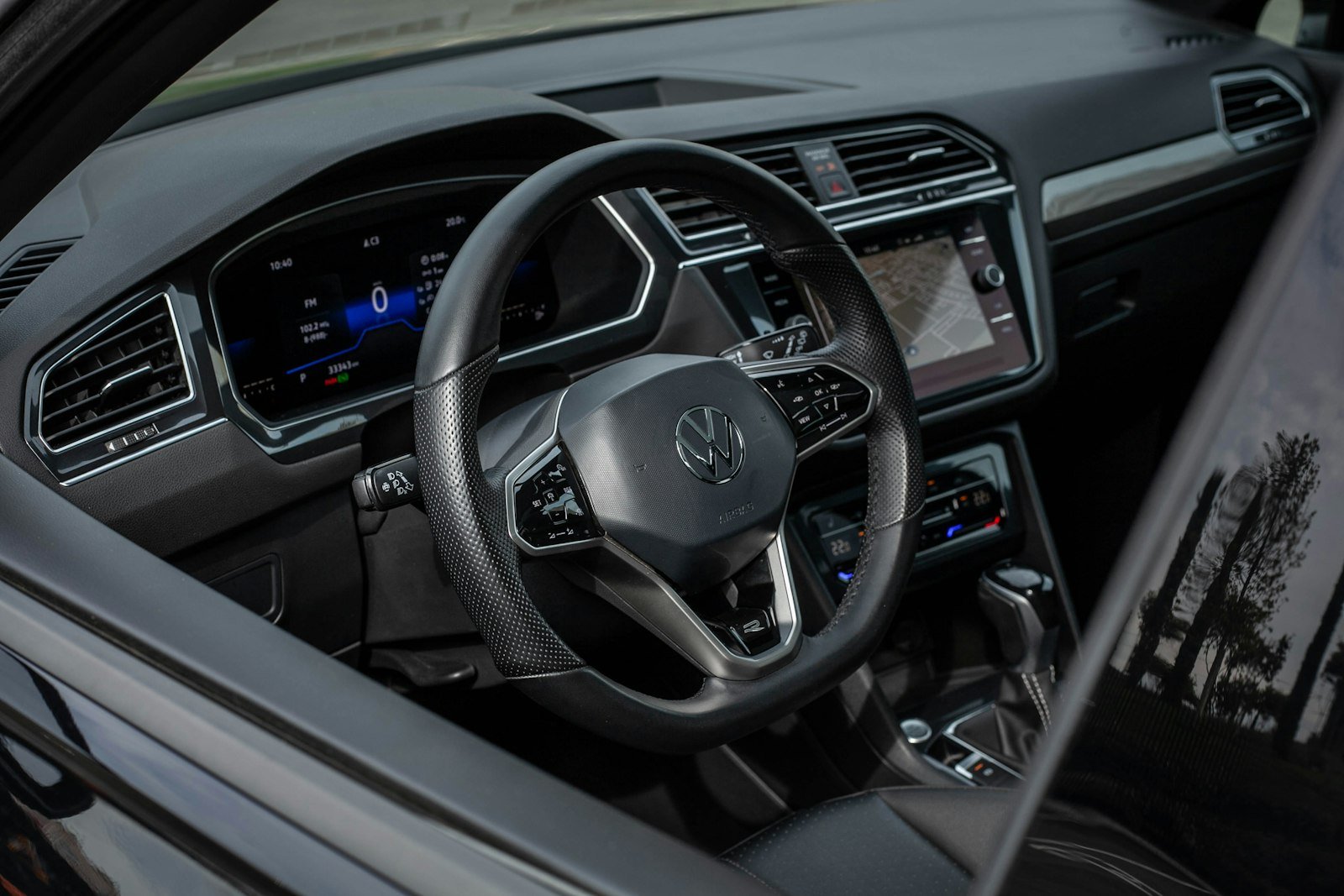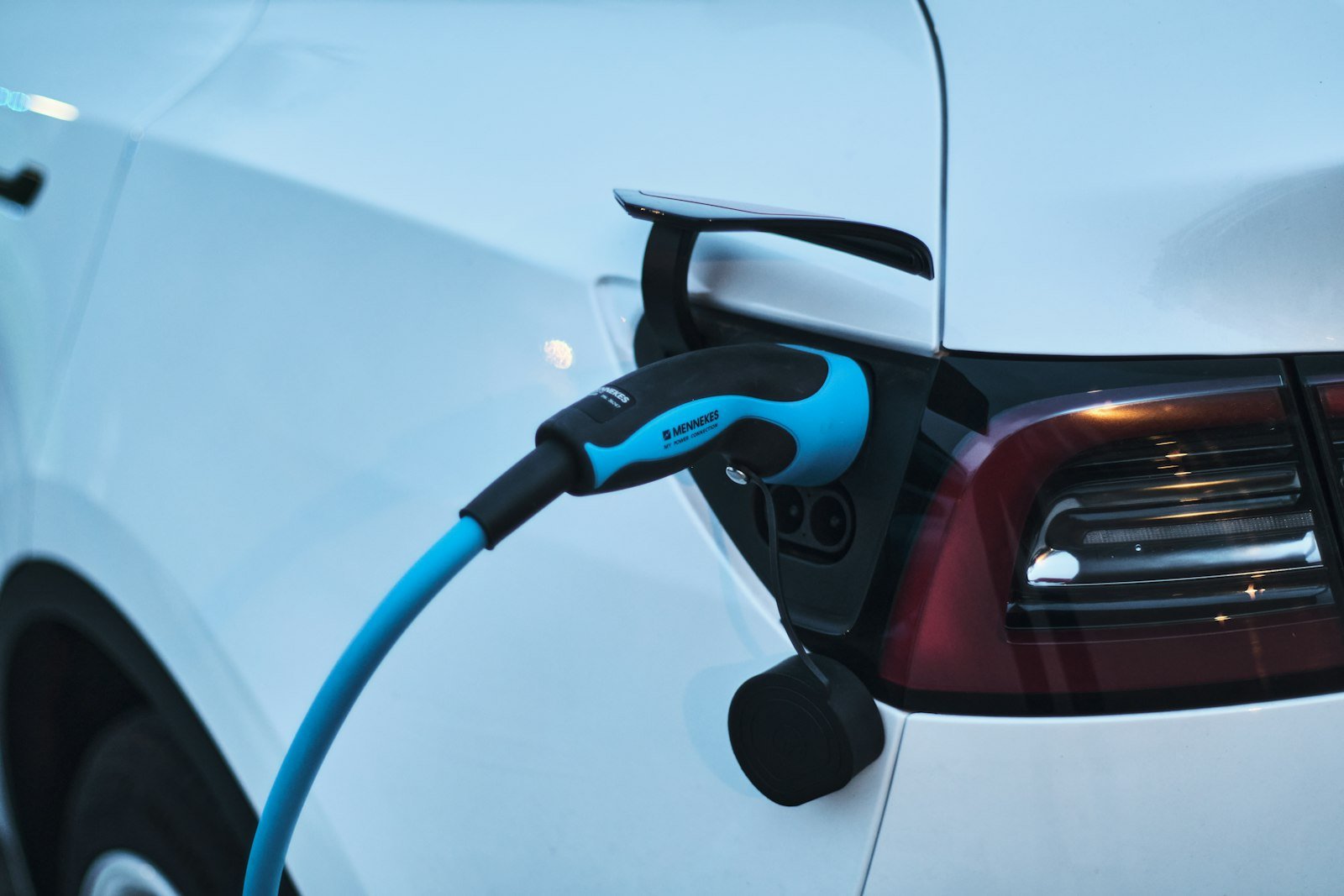
For generations, working on your own car was practically a rite of passage — changing oil, swapping brake pads, even rebuilding an engine were acts of independence and thrift. But plug a generic diagnostic scanner into a newer vehicle today, and you may hit a wall of encrypted error codes. Try ordering a replacement part outside the dealer network, and it might be digitally locked to your car’s VIN.
This is the right-to-repair fight — a consumer battle most people have never heard of, playing out quietly under the hood. It pits ownership against access: the idea that you should be able to fix what you own, versus a manufacturer’s desire to control the entire repair pipeline. This isn’t nostalgia for grease-stained hands — it’s about cost, independence, and what “owning” something even means today.
What “Right to Repair” Actually Demands
At its core, the right-to-repair (R2R) movement asks manufacturers to share the tools, documentation, software, and parts people need to fix what they own. For cars, that breaks down into a few specifics:
- Diagnostic access: your car’s computer produces proprietary fault codes — without the manufacturer’s own software, an independent mechanic is essentially guessing.
- Repair documentation: torque specs, wiring diagrams, and removal steps for specific modules are often kept under lock and key.
- Parts availability: the ability to source genuine (OEM) parts from somewhere other than the dealership.
- Parts pairing: in many modern vehicles, a new infotainment screen, battery module, or even a door handle must be digitally verified by the manufacturer’s servers before the car will recognize it.
Withhold these things, and you’ve built a repair monopoly — one that pushes owners toward dealership labor rates that often run 50–100% higher than a trusted independent shop.
Why Manufacturers Keep the Garden Walled
Automakers frame these restrictions as protecting safety, security, and intellectual property. But the financial incentives tell more of the story.
- Service departments are lucrative: locking out independent shops guarantees a steady stream of high-margin repair work for dealer networks.
- Repair data has value: controlling the repair channel gives manufacturers a full picture of what breaks and when, without having to share it with anyone else.
- The safety argument: the most persuasive case manufacturers make is that only certified technicians with proprietary tools can safely service complex, software-driven vehicles — that letting “amateurs” near ADAS systems risks dangerous mistakes.
The end result is a walled garden: you own the physical car, but the manufacturer holds the digital keys to what it can actually do.
Why This Affects More Than Hobbyists
- Higher repair bills: the Auto Care Association has found repair costs run noticeably higher in areas lacking competitive independent options — which in turn affects insurance premiums and resale value.
- “Repair deserts” in rural areas: the U.S. has roughly 6,000 dealerships but well over 170,000 independent repair shops. In many small towns, that independent shop is the only nearby option — if it can’t get parts or tools, residents may face towing their car 100 miles to the nearest dealer.
- Independent mechanics squeezed out: a whole industry of skilled small-business owners risks being sidelined simply because they can’t access the information needed to do their jobs.
- More waste, not less: when a minor part fails but can’t be cheaply repaired or swapped, the whole car may get scrapped early — “parts pairing” can turn a perfectly functional component into e-waste if it can’t be digitally re-paired to a different vehicle.
Where the Battle Currently Stands
This fight is unfolding in courtrooms, state legislatures, and even farm fields.
- It started with tractors: farmers locked out of repairing their own John Deere equipment brought national attention to the issue long before cars became the focus.
- A federal nudge: in 2021, an executive order encouraged the FTC to crack down on anti-competitive repair restrictions — a significant political win for the movement.
- State laws leading the way: Massachusetts passed strong automotive right-to-repair legislation via ballot initiative, though the industry continues to contest it in court, arguing state-by-state rules are unworkable.
- A voluntary industry agreement: facing pressure, a group of major automakers agreed to share some diagnostic data with independent shops through a paid, standardized platform. Critics call it a stalling tactic — it’s voluntary, excludes certain data like cybersecurity information, and doesn’t touch the parts-pairing problem.
Can You Really Call It “Yours” If You Can’t Fix It?
This debate goes to the heart of what ownership means today. We’re drifting from an economy built around products toward one built around licensed access — you may hold the physical object, but the manufacturer still controls its function and how long it lasts.
For the car — long a symbol of personal freedom — that’s a meaningful shift. The open road now runs through digital gates, and the keys belong to whoever sold you the vehicle.
A few ways to push back as a consumer:
- Ask before you buy: find out whether your local mechanic will even be able to service the vehicle.
- Back right-to-repair advocacy: organizations like the Repair Association track this issue and support favorable legislation.
- Reward openness with your purchase: some manufacturers (particularly newer EV brands) are marketing more open repair policies — market demand can shift industry behavior.
The satisfaction of fixing your own engine shouldn’t be a relic of the past. It should remain a present-day right — one that ensures we genuinely own the machines that carry our lives.