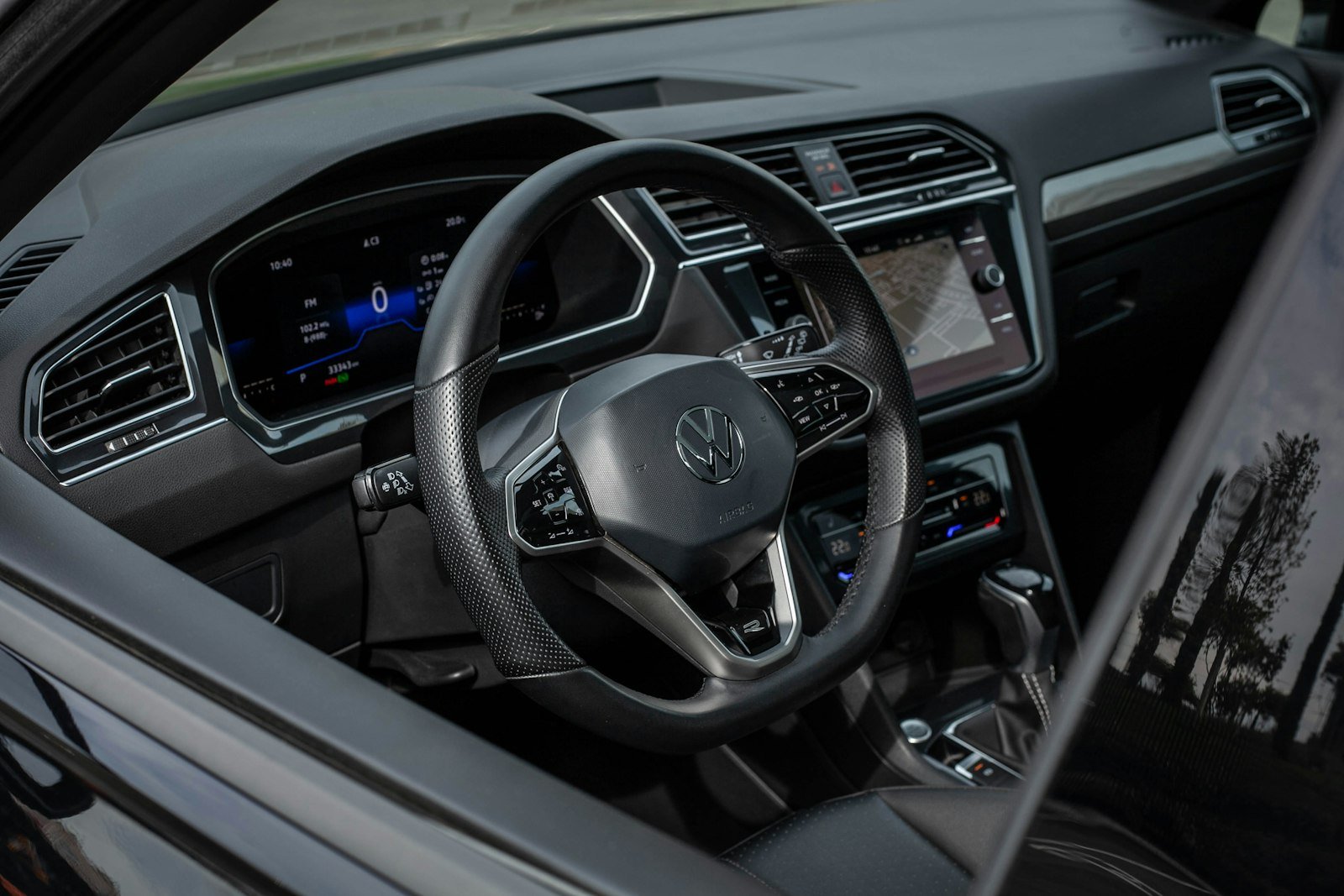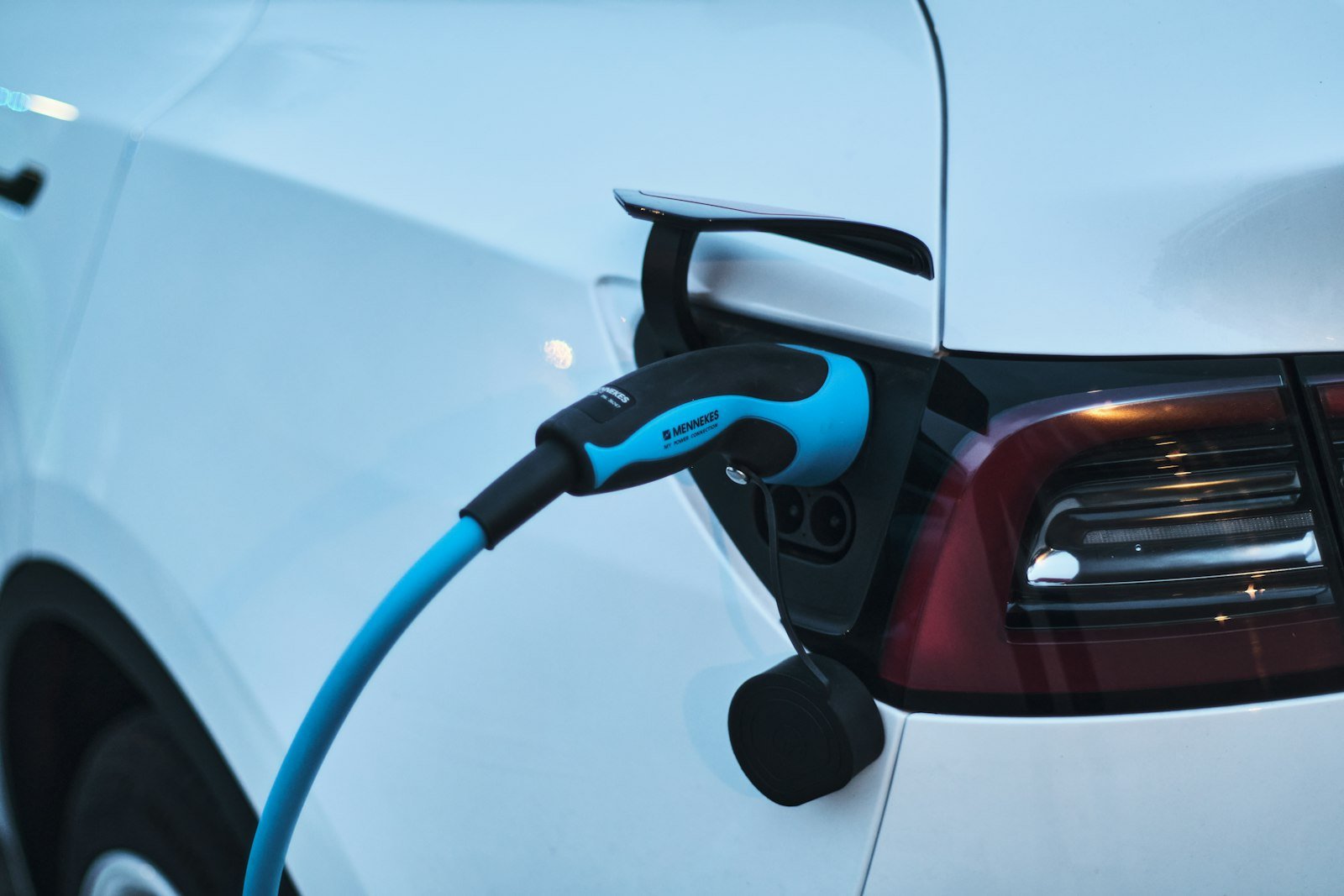
There was a time when buying a car meant exactly that: you agreed on a price, signed the paperwork, and drove off owning a complete machine, full stop. Today, open your car’s companion app and you might find offers like “Unlock Heated Seats — $15/month,” “Boost Performance — $100/month,” or “Enable Full Self-Driving — $199/month.”
This is the subscription economy arriving in the driveway. Automakers have realized a connected car isn’t a one-time sale — it’s a platform capable of generating revenue every single month. The shift from owning outright to essentially “renting” capability is reshaping what a car purchase even means. Getting from point A to B is no longer the whole story; increasingly, it’s about which features you’re willing to pay for on an ongoing basis.
Let’s look at how this model actually works.
Three Levels of Automotive Subscriptions
Not all car subscriptions work the same way — they range from mildly annoying to deeply controversial.
Level 1: Convenience Services
These are cloud-based add-ons that are simple to deliver and rarely spark outrage.
- What’s included: live-traffic navigation, stolen-vehicle tracking, app-based remote start, in-car Wi-Fi.
- How it’s marketed: as added convenience and peace of mind.
- What’s really going on: these features run on the car’s built-in cellular connection, which costs the manufacturer money to keep active — the fee covers that cost, plus a margin.
Level 2: Paying to Unlock Hardware You Already Own
This is where things get contentious: the physical hardware ships in every car, but a software lock keeps it switched off until you pay.
- What’s included: heated seats, steering wheels, and mirrors; matrix LED headlights; software-based horsepower boosts; even a larger EV battery that’s artificially capped.
- How it’s marketed: as flexibility — pay only for what you use, which supposedly lowers the base price.
- What’s really going on: buyers already paid for the heating element, the stronger motor, or the bigger battery as part of the sticker price. Charging a recurring fee to activate something already installed feels a lot like paying twice — similar to buying a house with a locked bedroom you can only enter for a monthly fee.
Level 3: Subscribing to the Car’s Core Ability
The newest and most far-reaching tier: paying for the vehicle’s fundamental capabilities.
- What’s included: Full Self-Driving packages, or advanced driver-assist systems (like GM’s Super Cruise or Ford’s BlueCruise) that depend on continuous map and software updates.
- How it’s marketed: ongoing access to constantly improving technology, without a massive upfront cost.
- What’s really going on: for fast-evolving tech like autonomy, this can genuinely make sense — the system does keep getting better. But it also raises a hard question: should a safety-relevant driving feature be able to switch off the moment a payment lapses?
Why Automakers Are Betting on This Model
Follow the incentives, and this trend makes complete business sense.
- Recurring revenue is what investors want: a car sale is a one-off spike; a subscription base is a steady stream that lifts company valuations.
- EVs are expensive to develop: subscription income helps fund the enormous R&D costs of electrification.
- Connectivity makes it effortless: today’s cars are always-online computers (via telematics control units), so remotely activating, deactivating, and billing for features costs the manufacturer almost nothing extra.
Weighing Convenience Against Control
Where it could benefit buyers:
- A lower sticker price — in theory, since you’re not paying for every option upfront.
- Seasonal flexibility — turning on heated seats only for winter, for example.
- Low-commitment trials — testing a performance mode or self-driving feature without a permanent purchase.
Where it works against buyers:
- Ownership becomes partial: you own a hardware shell, while software elsewhere decides what it can actually do.
- Costs pile up quietly: $10 here for navigation, $15 there for heated seats, $20 for remote start, $100 for driver-assist — over years of ownership, this can exceed what a one-time option would have cost.
- Resale gets murky: when you sell the car, does the new owner inherit your subscriptions, or start from scratch? Who actually holds the rights?
- Privacy trade-offs: managing these subscriptions requires the car to stay constantly connected, sharing detailed location and usage data with the manufacturer.
Pushback Is Already Reshaping the Model
When BMW tested an $18/month charge for Apple CarPlay — a feature running on the customer’s own phone — the backlash was immediate, and the company reversed the decision quickly.
Expect the model to keep evolving into something more hybrid:
- Some services will stay subscription-based — cloud connectivity, major autonomy features.
- Others will likely return to one-time purchases, especially for hardware already sitting in the car, as consumer pressure builds.
- Clearer labeling will become necessary — distinguishing a genuine “service fee” for ongoing data/connectivity from a “hardware unlock fee” for something you’ve already paid for once.
So, What Are You Actually Buying?
This trend forces a bigger question: what does ownership even mean in a software-defined world?
Buy a car with subscription-gated features, and you’re not simply acquiring an asset — you’re entering a long-term service relationship with a company that keeps ultimate control over what your car can do. Your hands are on the wheel, but the switch is on their server.
As a buyer, you still hold some leverage:
- Check the digital fine print: know exactly what’s included versus what requires ongoing payment.
- Support transparent brands: reward manufacturers offering fair, clearly explained ownership terms.
- Do the long-term math: add up five years of the subscriptions you’d actually use — does it still look worthwhile?
The open road has always stood for freedom. It’s worth making sure the modern car doesn’t quietly turn that freedom into a monthly bill.