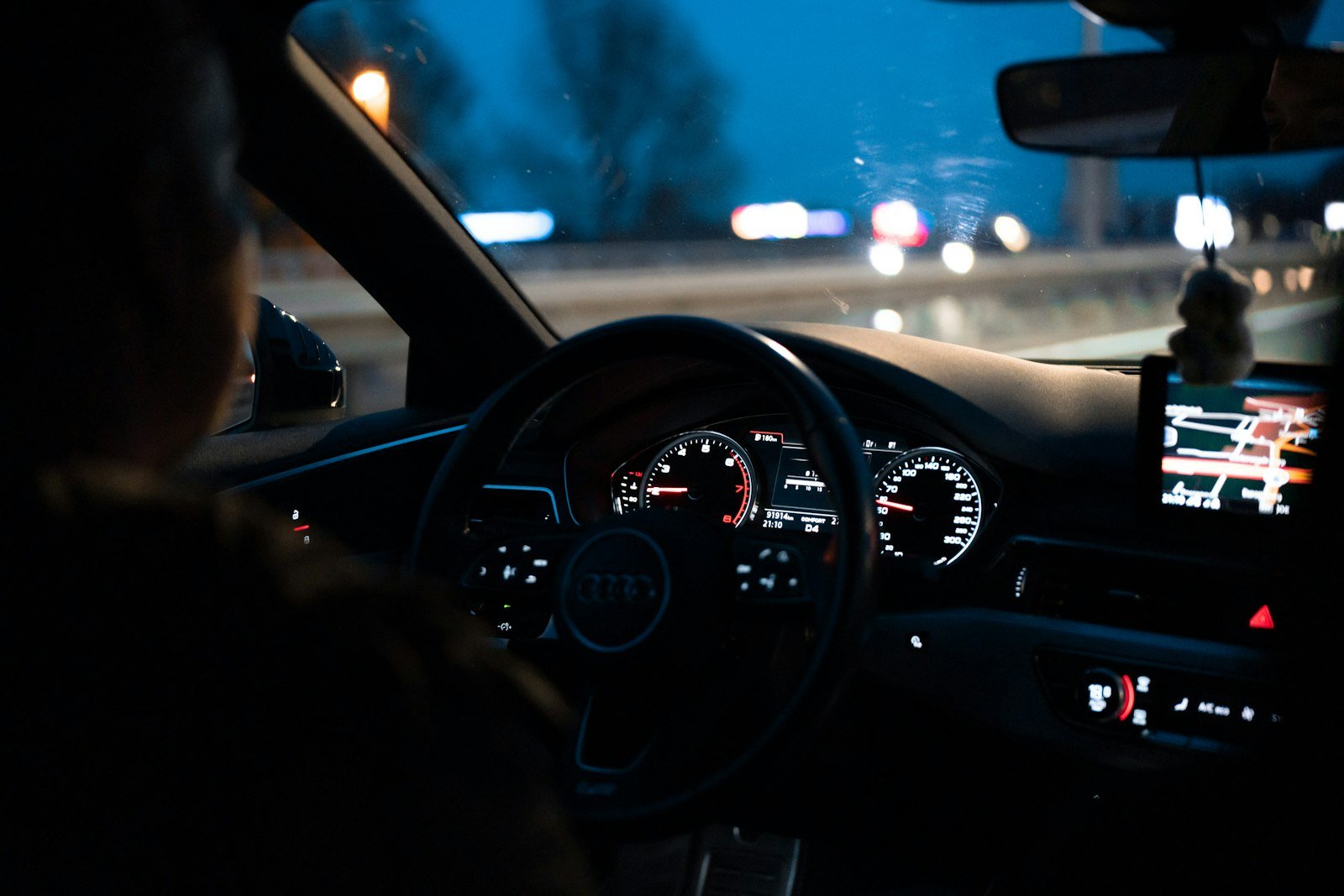
Picture your last drive, but with an invisible passenger quietly taking notes the entire time — logging every hard brake, every quick acceleration, the songs you played, the calls you made, the route you took, even whether you buckled your seatbelt. That passenger isn’t human. It’s your car’s telematics system, and the continuous, intimate stream of information it generates is often called “data exhaust.”
While your attention is on the road, your car’s attention is on you. Modern vehicles — especially connected and electric ones — function as rolling data factories. We’re used to sharing location with map apps, but what’s actually being collected now goes far beyond “where you are.” It builds a detailed picture of how you drive, how you live, and who you are — and that picture has become one of the most valuable assets in the auto industry. Here’s what’s really being gathered.
What Your Car Actually Collects
Modern vehicle sensors and onboard computers gather data across several categories:
- Vehicle performance: speed, acceleration, braking force, steering angle, EV battery cycles, tire pressure, engine temperature, and fluid levels — used for maintenance alerts, and increasingly to calculate a driving “score.”
- Driver behavior: hard-braking events, sharp acceleration, cornering forces, whether your hands are on the wheel, seatbelt use, and — in cars with driver-monitoring cameras — even where your eyes are looking. The industry calls this telematics.
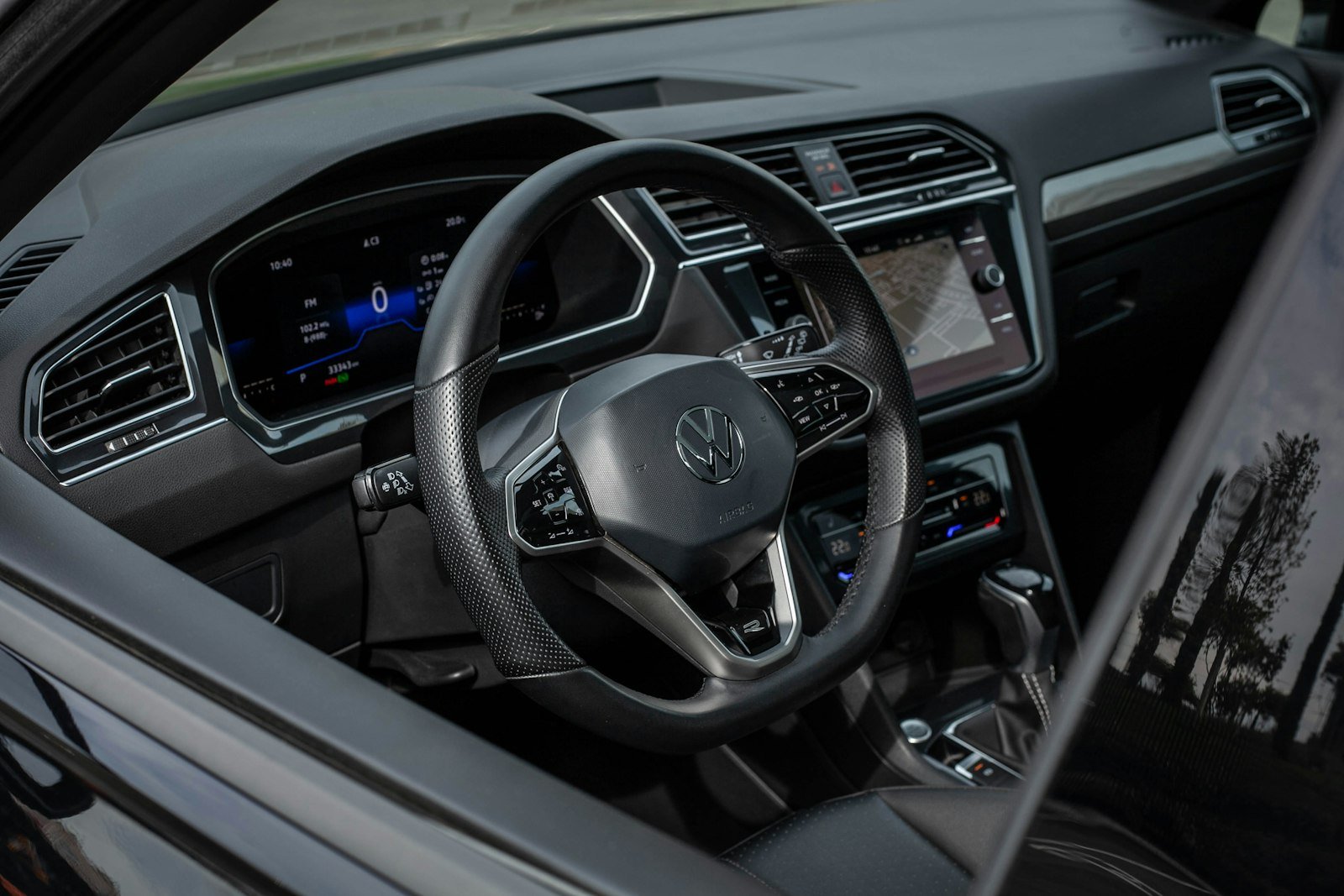
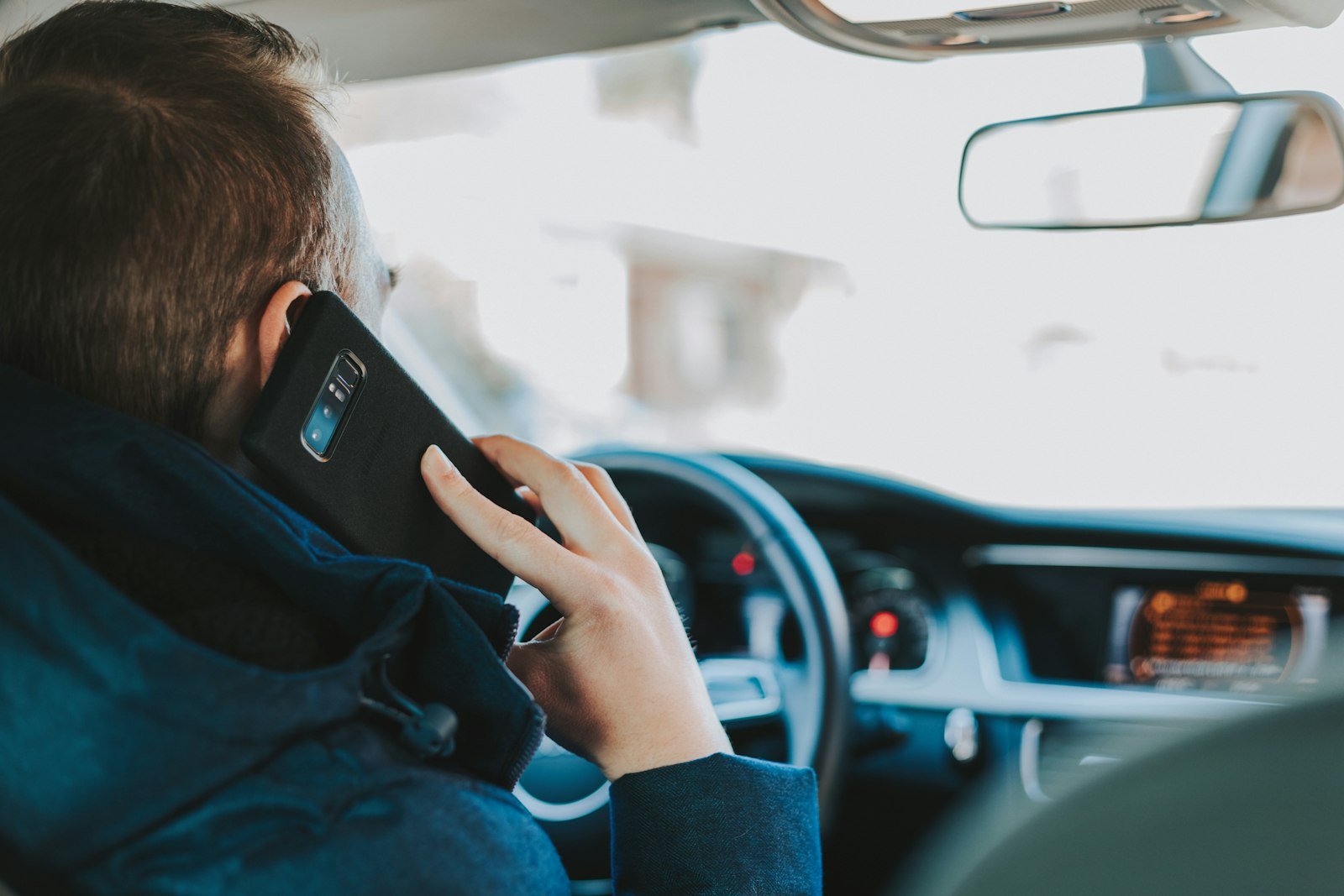
- Infotainment and biometric data: synced contacts, call logs, texts, music and podcast history, voice recordings, and destinations visited. Newer in-cabin cameras can even assess driver alertness, mood, or identify who’s in the car.
- Location and travel patterns: not just your destination, but your full route, frequent stops (the gym, the office, a therapist’s office), idle time, and average trip length.
- Surroundings: cameras and sensors built for safety features also capture images of what’s around you — other cars, pedestrians, street signs, even the inside of your garage.
Individually, none of this seems alarming. Combined, it forms a detailed digital twin of your life on the road.
Who Actually Wants This Data
This information doesn’t stay in your car. It’s transmitted, typically through a built-in cellular connection (a telematics control unit), to the manufacturer’s servers — and from there, it flows to a wider set of interested parties.
- The automaker itself, which uses it to:
- study how cars are actually used and where they fail;
- flag maintenance needs before a breakdown — and turn that into a service appointment;
- shape new subscription features and target owners with tailored offers.
- Insurance companies, through the growing “usage-based insurance” model. Rather than pricing your premium on broad demographics, insurers increasingly want to price it on your actual driving behavior — programs like Allstate’s Drivewise or State Farm’s Drive Safe & Save trade a discount for ongoing monitoring. Brake hard at an intersection and your rate might rise; stick to quiet Sunday drives and it might fall. Personalized, yes — but also a form of continuous surveillance.
- Data brokers and advertisers, who can buy anonymized, aggregated driving data and merge it with your browsing habits, purchases, and social activity to build startlingly precise profiles. Knowing you visit a premium gym each morning and a golf course on weekends is valuable to marketers.
- Law enforcement, which can subpoena this data to reconstruct accidents, establish timelines, or prove speeding — GM’s OnStar, for instance, has a long track record of supplying data to police.
Where the Gray Areas — and Risks — Live
The rules around all this remain a patchwork, and your car’s privacy policy is likely a lengthy document you agreed to without reading at the dealership.
- “Anonymized” often isn’t: location patterns are notoriously easy to re-identify — a car leaving the same house every morning at 7:30 and returning each evening is usually enough to pinpoint the owner.
- A cybersecurity exposure: a connected car is a networked computer, and if that connection is compromised, an attacker gains access to your real-time location and daily habits — a genuine stalking risk.
- Function creep: data collected for one purpose (say, improving safety systems) can later be repurposed for profiling or revenue, even if that wasn’t part of the original agreement.
- No guaranteed right to delete: unlike some privacy frameworks, there’s often no straightforward way to demand a car company erase the driving history it holds on you.
Steps You Can Actually Take
You can’t eliminate data collection entirely while still using modern features — but you can limit it.
- Actually read the privacy policy: look for terms like “data sharing,” “third parties,” and “telematics,” and check the infotainment settings or companion app for opt-out options.
- Cut unnecessary connectivity: skip syncing contacts and messages if you don’t need to, consider a standalone GPS unit over built-in connected navigation, and turn off Wi-Fi and Bluetooth when idle.
- Think twice about usage-based insurance: unless the discount is meaningful and your driving is genuinely low-risk, weigh how much privacy you’re trading for a modest saving.
- Cover in-cabin cameras when not needed: a simple sliding cover can block a driver-monitoring camera outside the moments it’s actually required.
- Support stronger privacy protections: push for laws that treat vehicle data with the seriousness of medical or financial records, including clear ownership and deletion rights.
The Bottom Line
The romance of the open road is quietly being digitized and turned into a commodity. Your car isn’t just carrying your body anymore — it’s carrying your data too. That data enables real safety improvements and convenient features, but it also builds a permanent, detailed record of a life that used to be private.
Next time you’re car shopping, ask about more than horsepower and fuel economy — ask who owns the data, where it goes, and whether you can delete it.
These days, one of the most important features of a car isn’t under the hood — it’s buried in the privacy settings. It’s worth reading that fine print.